- تحليلات
- أخبار التداول
- The US-Canada Tariff Fight
The US-Canada Tariff Fight
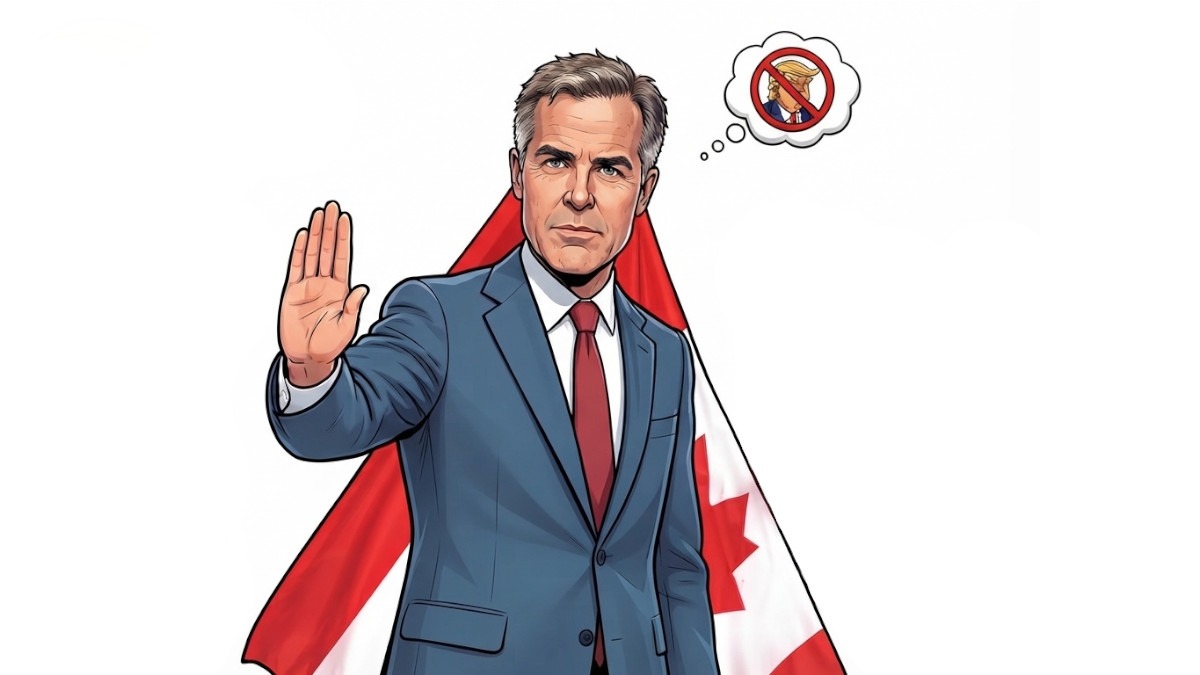
The trade relationship between the United States and Canada has broken down in a way almost nobody expected a few weeks ago. Both sides have imposed 50% tariffs on a wide range of each other's goods, negotiations have reached an impasse, and there is no clear way out of the current situation.
Trade tensions have escalated since July, when the Trump administration allowed the 16-year automatic extension of the USMCA to expire without taking any action. This began a slow process of repealing the agreement if the parties fail to agree on changes.
The situation quickly escalated after that. The United States used a rarely used legal provision (Section 338 of the Tariff Act of 1930) to impose 50 percent tariffs on a significant portion of Canadian goods, officially in retaliation for Canada's retaliatory tariffs on American automobiles, alcohol, and dairy products imposed the previous year. Canada responded with its own 50 percent tariffs, matching the U.S. rate in monetary terms and targeting goods produced in border states such as Michigan, Ohio, Iowa, and Maine. Trump has since added a ban on some Canadian goods.
The stated reason, reducing the US trade deficit with Canada, doesn't hold up, as this bilateral gap represents only a small fraction of the overall US trade deficit. A more rational explanation is that Washington wants Canada to erect its own barriers against the relocation of Chinese manufacturing to North America, which the Canadian government views as an infringement on its sovereignty rather than a trade request.
Whatever the true motives, Prime Minister Mark Carney has chosen to stand firm rather than give in, and polls show that most Canadians support this approach, even if it means short-term economic hardship.
Economic Stakes are Unequal
For the US, the tariffs cover 5% of total imports from Canada, not enough to move the needle much on the broader US economy. Estimates put the added tariff revenue at around $10 billion.
For Canada, however, over 70% of exports go to the US, so a trade war with its only major partner hits much harder on the Canadian side. This is exactly why Washington believes it holds the stronger hand and can wait Canada out.
The Bank of Canada has held its policy rate at 2.25% through its last several meetings, given the tariff dispute and elevated global energy prices.
Where CAD/USD sits right now
USD/CAD has mostly stayed between 1.37 and 1.39 through September. That's a bit surprising — you'd expect the Canadian dollar to be getting hammered given the tariff fight, but it isn't. A few things are holding it up:
- Tariff pain is real, but it's concentrated. The hit is falling hardest on steel, autos, dairy, agricultural equipment, pulp and paper, rather than across the whole Canadian economy. That's not the kind of large scale shock that would send USD/CAD sharply higher on its own.
- Oil is doing CAD a favor. Crude is trading high (Brent near $95), and Canada sells a lot of oil abroad. That extra oil revenue is offsetting some of the damage from the trade war.
- The greenback has been sliding against most currencies lately, not just CAD. So part of what looks like Canadian dollar resilience is actually just the US side of the pair losing ground.
- The Bank of Canada instead of rushing to cut rates to cushion the economy, held steady which gives the currency more support than it would get if the central bank were signaling aggressive cuts.
Bank forecasters see USD/CAD staying in the 1.37–1.41 zone for the rest of the quarter, with a slight edge toward CAD strengthening a bit further out, but it depends on oil staying firm and the tariff situation will not get worse.
What could move the pair from here
If the US piles on more tariffs, widens the goods ban, or simply refuses to talk until after the midterms, which is a real possibility given how much political capital is riding on this fight, Canadian growth forecasts keep getting revised down. Expect CAD to weaken in steps, with each new headline about additional measures triggering another leg down rather than one big move.
After the "Liberation Day" tariffs last year, the US and China escalated hard before the economic cost got too painful for both sides and they came back to the table. If Washington and Ottawa follow the same script, expect USD/CAD to swing in both directions on headlines with the sharp reversals coming whenever talks restart, since markets tend to price in relief fast.
CAD moves with oil prices, so if Middle East tensions keep crude elevated, that alone could hold CAD up even as the tariff fight gets worse.
Canada and the EU are building closer trade and security ties, partly to reduce how dependent Canada is on the US. This means that Canada is planning to permanently diversify away from the US market. This could undermine the Canadian dollar's traditional role as a currency that closely tracks the health of the US economy.
أداة قوية جديدة، التحليل الفني لـ USD/CAD
أداة قوية جديدة، التحليل الفني لـ USD/CAD
التحليل الفني المباشر مع التوقع الفوري باستخدام أشهر المؤشرات والمتذبذبات.
جرب الآن